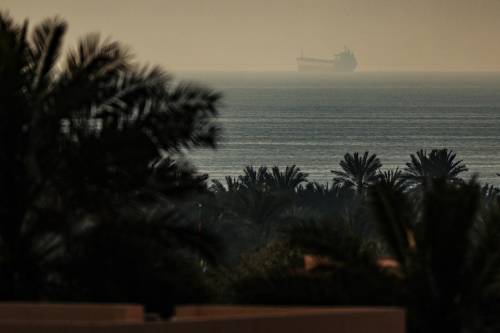
European gas prices surged by up to 25 per cent on Monday following attacks linked to Iran. The suspension of shipping through the Strait of Hormuz, a vital route for global energy trade, mainly drove the sharp rise. Tankers ship around one‑fifth of the world’s liquefied natural gas (LNG), mostly from Qatar, through the strait.
On the Amsterdam gas exchange benchmark, prices rose by about 20 percent shortly after trading opened, reaching €38.44 per megawatt-hour. At the market’s opening, prices briefly jumped by as much as 25 percent, marking the strongest increase since August 2023. Gas prices last peaked above €50 per megawatt-hour in February of last year. Since then, prices have fallen largely due to high volumes of LNG imports into Europe.
Florence Schmit, an energy specialist at Rabobank, said Qatar plays a crucial role in supplying LNG to both Asia and Europe. She warned that if the country is unable to export cargoes because of damage to infrastructure or shipping disruptions, “the effect on global gas prices would be dramatic”.
Experts at the US investment bank Goldman Sachs warned that a month-long halt to shipping through the Strait of Hormuz could more than double European gas prices. The bank said such a disruption would likely have only a limited impact on the US natural gas market. The United States is a major net exporter of LNG, and its export facilities usually operate at full capacity, leaving little room to increase shipments further.
The price surge comes at a time when Dutch gas reserves have fallen to an exceptionally low level. In February, network operator Gasunie said the low stock levels were “no cause for concern”, citing sufficient supplies from abroad. Gas reserves across Europe are also unusually low. The region will need to import large volumes of LNG this summer to refill storage sites ahead of next winter.
Qatar has now announced a temporary suspension of all shipping. LNG tankers that were due to load cargoes in the United Arab Emirates also appear to be delaying their plans. In addition, Israel has shut down several gas fields. Egypt, a major importer of Israeli gas, will now need to look for alternative supplies.
@anp | NEWS BRAINPORT