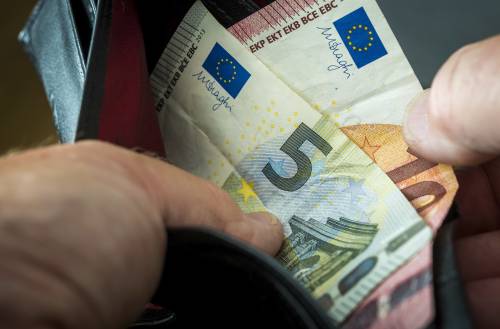
More than half of people in the Netherlands keep enough cash at home for emergencies, according to new research by De Nederlandsche Bank (DNB). The survey involved more than 1,700 consumers. The recommended amount is 70 euros per adult and 30 euros per child.
Last year, DNB and several other organisations within the National Consultation on Payments (MOB) advised households to keep some banknotes and coins available. The aim is to ensure people can pay for essentials if electronic payment systems, such as debit cards or online banking, stop working. Cash is expected to cover basic needs for up to 72 hours.
According to DNB, 19 per cent of respondents keep the exact recommended amount at home, and 39 per cent keep more. The remaining households keep less than advised, and nearly one in ten have no cash at all.
Among those who keep too little, one in three says they simply have not yet acted on the guidance. DNB also reports that 71 per cent of consumers are aware of the advice.
People in the Netherlands are encouraged to keep a mix of banknotes and coins. DNB further advises holding on to a physical debit card, in case payments by phone or smartwatch fail. The bank suggests gradually building up a cash reserve by setting aside small amounts of change periodically.
The recommendations were issued last year by the National Forum on the Payment of Cash (NFB). The forum brings together consumer groups, banks, and the Ministry of Finance. The advice was informed by rising geopolitical tensions and increased cyber threats. The proposed amounts were calculated by Nibud (National Institute for Budget Information).
@anp | NEWS BRAINPORT