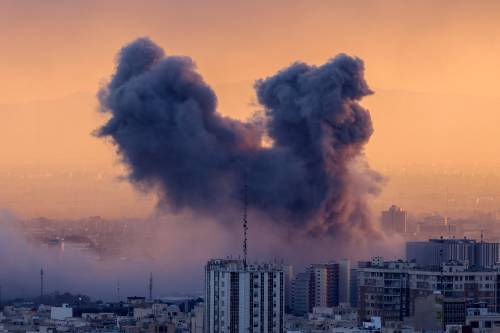
Dutch businesses face losses reaching tens of millions of euros due to transport disruptions in the Gulf region. The shipping association Evofenedex warns that key maritime and aviation hubs in the Middle East are now high-risk zones. Consequently, carriers are diverting routes and passing the resulting costs directly to Dutch companies.
Policy advisor Casper Roerade explains that the conflict in Iran has forced cargo to be rerouted across a vast area. This shift impacts imports, exports, and international flight paths significantly. Notably, half of all air freight capacity between Europe and Asia typically stops in Doha or Dubai. Furthermore, the port of Jebel Ali serves as a vital regional hub that is now difficult to access.
While consumers may not see immediate price hikes on shop shelves, they will likely feel the impact of rising oil and gas prices. Meanwhile, the logistics crisis continues to escalate as cargo is unloaded at unplanned ports. This leads to congestion at alternative sites, such as those on India’s west coast, where containers are now stranded.
The conflict particularly hinders the export of Dutch medical equipment and medicines. Since these fragile goods usually travel by air, many firms are delaying shipments or seeking alternative routes to ensure safety. Even companies exporting to unaffected regions like South America now face “emergency surcharges” because the global supply of ships and containers has dwindled.
@ anp | NEWS BRAINPORT