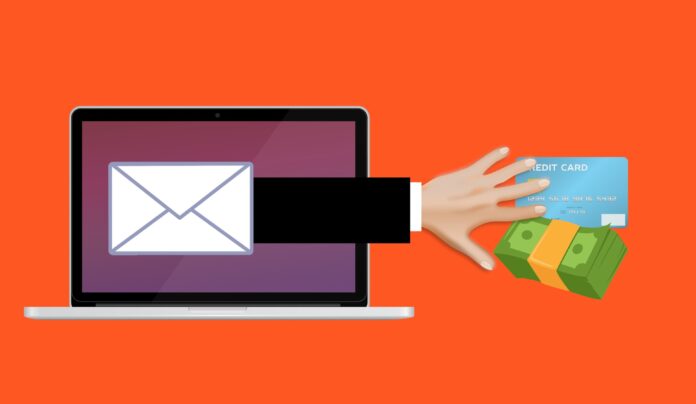
Across the Netherlands, a growing number of people are receiving alarming emails claiming they must pay a traffic fine immediately. The messages appear official at first glance, but the Central Judicial Collection Agency (CJIB) warns they may be fake and urges the public not to click any links or transfer money.
What is happening?
CJIB has been inundated with calls from people who received suspicious traffic fine emails. Many of the messages include the agency’s logo, reference numbers, and a warning that payment must be made within 24 hours. Each email even contains a link that supposedly leads to the payment page. In reality, however, victims are directed to a fraudulent website designed to steal personal or financial information.
Protection
Firstly, it is very easy to verify whether a fine is imposed on your name. The organisation advised people to safely log in to the official CJIB website using their DigiD.
The CJIB advises the public to ignore and delete any email that demands payment. Payments should never be made through links in messages. People are encouraged to check the sender’s address carefully and to avoid clicking on links. Suspicious messages can be reported to the email provider before being removed from your inbox.
What is real
The CJIB stresses that genuine fines are always sent by post. The agency does not issue fines or reminders via digital communication channels such as email, WhatsApp, SMS, or other messaging. The organisation advises people to type the web address or use a trusted bookmark instead of following links in any messages.
Convincing
Cybersecurity experts warn that the recent wave of phishing attempts is more sophisticated than earlier scams. Criminals often use personal information from earlier data leaks to tailor their messages to emphasise credibility. This trend reflects a broader shift in the Netherlands, where phishing attacks are becoming increasingly targeted and difficult to distinguish from legitimate communication.