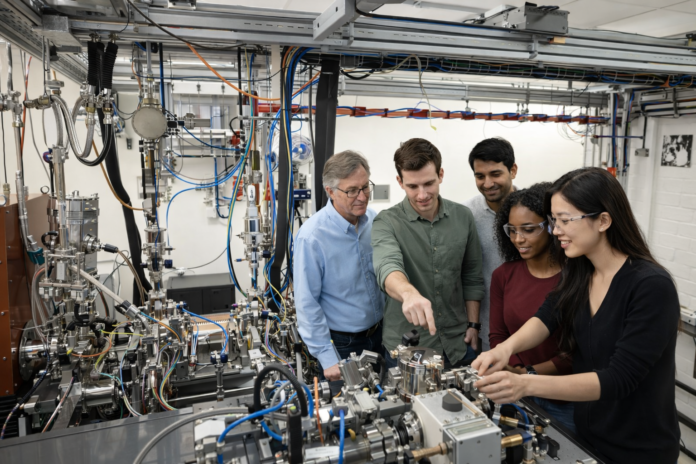
Each year, the Brainport Eindhoven region attracts thousands of international researchers. At the Eindhoven University of Technology (TU/e) and other institutions, these scientists drive progress in artificial intelligence, semiconductors, and green energy. However, many begin their careers on fixed-term contracts tied to specific research projects.
Temporary agreements are standard in academia. For example, PhD candidates usually sign four-year contracts to match the length of their doctoral studies. Postdoctoral researchers and project staff also frequently work on fixed-term deals funded by external grants.
While this system allows universities to stay flexible and fund new ideas, it leaves many researchers without long-term job security.
Navigating complex legal rules
Dutch employment law generally limits the use of temporary contracts. Under the standard “chain rule,” an employee can typically receive up to three consecutive temporary contracts within a three-year period. After this, the employer must offer a permanent position.
However, the CAO (collectieve arbeidsovereenkomst) for Dutch universities includes specific rules for academic staff. These agreements can be difficult to navigate, especially for those new to the Netherlands. Factors such as project funding, performance reviews, and university planning all influence whether a contract will be renewed. This complexity makes it hard for international staff to plan their futures, affecting decisions about housing and relocation.
The importance of communication and support
Open dialogue is often the first step in resolving contract issues. Researchers are encouraged to speak directly with their supervisors to clarify their future prospects and explore available options.
When conversations stall, other resources are available:
- Mediation: A neutral third party can help both the researcher and the institution discuss concerns and find a professional solution.
- Legal Advice: Seeking expert guidance helps researchers understand their rights and timelines without necessarily starting a legal battle.
To support this international community, platforms like Counselr connect professionals with lawyers and mediators who speak their language. These services help expats navigate the Dutch legal system, covering employment, housing, and family law in English or their native tongue.
As Brainport grows as a global tech hub, its success depends on the people behind the research. Transparent practices and accessible support remain vital to keeping the region a welcoming place for international talent.