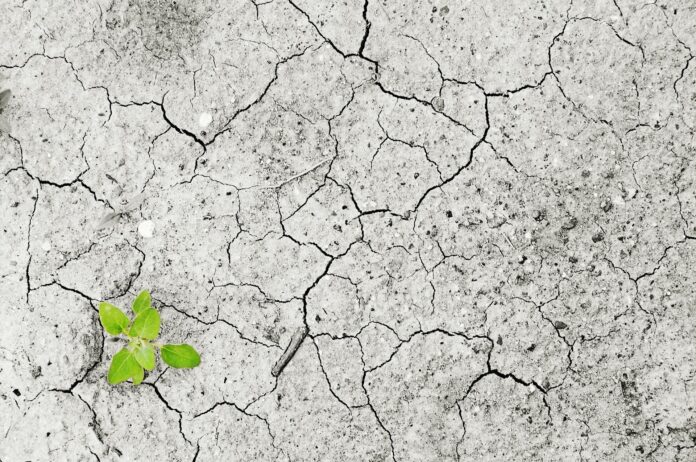
July was exceptionally dry across the Netherlands, marking one of the most extreme precipitation shortages ever measured. According to Weeronline, the country received an average of just 12 millimetres of rain, which is 70 millimetres less than the typical July rainfall recorded between 1998 and 2025.
Several provinces—including North Holland, South Holland, Zeeland, North Brabant, and Limburg saw under 10 millimetres of precipitation. Other regions recorded slightly higher totals, exceeding 20 millimetres, which helped lift the national average. The wettest locations were Winschoten and Ter Apel in Groningen, along with Schoonebeek in Drenthe, each receiving around 40 millimetres. Even so, this is only about half of what these areas normally expect in July.
Due to the widespread lack of rainfall, July 2026 ranks as the second driest July since nationwide measurements began in 1906, surpassed only by July 2018. The month was also exceptionally sunny, with 290 hours of sunshine, far above the usual 220 hours.
Temperatures remained consistently warm. The national average reached 19.7°C, and in De Bilt, the maximum temperature exceeded 20°C on all 31 days of the month. This extended the ongoing warm‑day streak that began on June 16. The lowest temperature was recorded in Twente, where a brief ground frost of –0.1°C occurred on July 21.
@anp | NEWSBRAINPORT