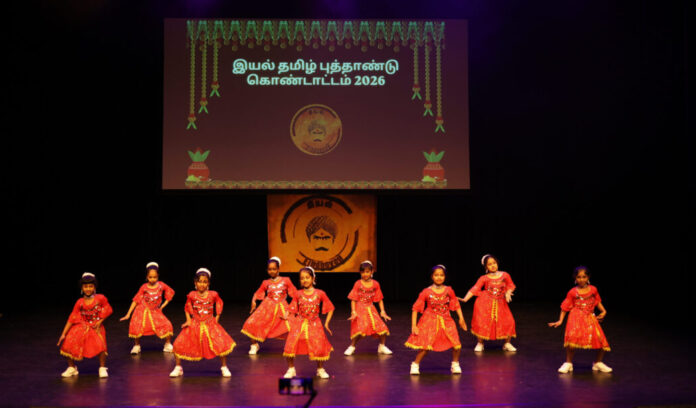
Theatre De Schalm in Veldhoven hosted the celebration of the Indian Tamil New Year this weekend, known in Tamil as Puthandu, one of India’s native languages. Puthandu falls annually on April 14 and was therefore celebrated on Saturday by the Indian community in the region. “This community is an important part of the Brainport region.”
Anyone entering the theatre on Saturday afternoon might have felt transported into a different world. The lobby was filled with food stalls, families with children walking around, eating, dressed in colourful traditional clothing. Sometimes, parents carried a sleeping toddler in their arms.
The lively atmosphere stood in sharp contrast to the grey, rainy weather outside. Just a stone’s throw away, at ASML, some of the world’s most complex machines are built, while beneath the theatre lies one of the last parking garages in the Netherlands without automatic license plate recognition. Many Indian engineers working at ASML live in the region.
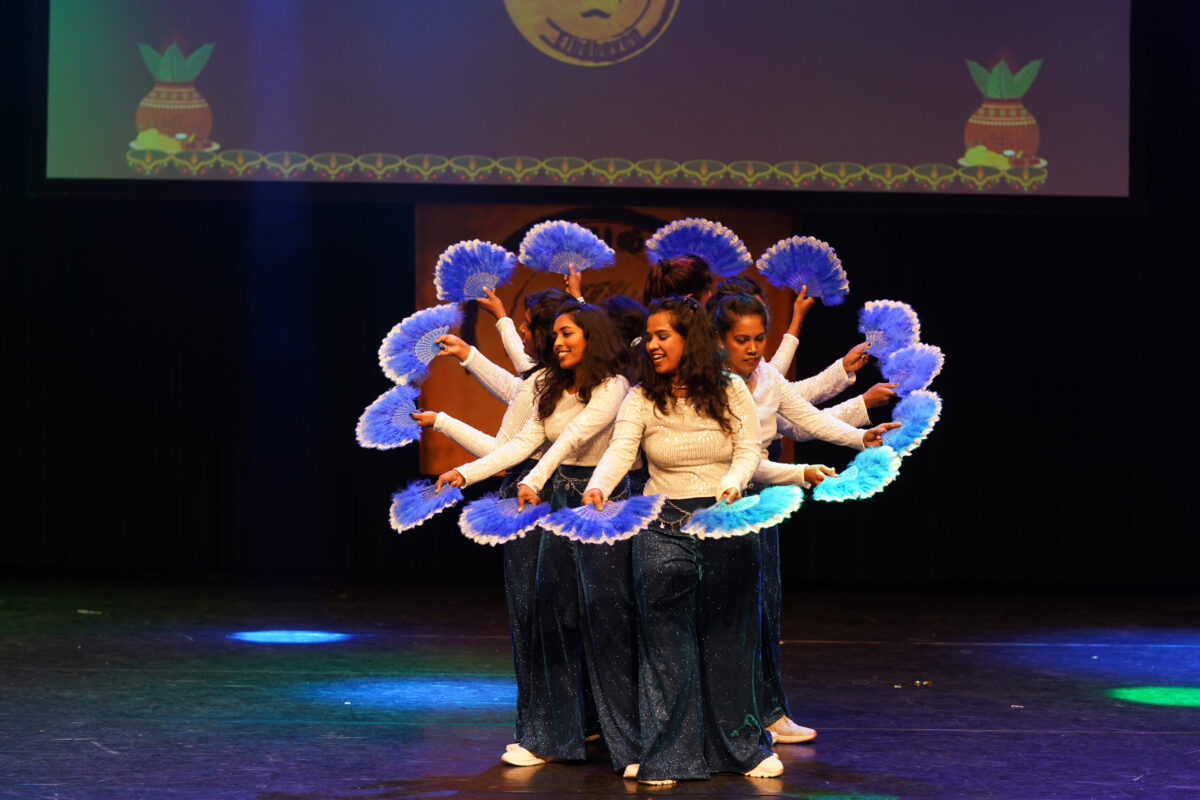
Indian community
Around 800 people gathered at De Schalm for the celebration, the vast majority of whom were Indian knowledge workers who moved to the Netherlands for jobs in the high-tech industry in and around Eindhoven.
“After Eindhoven, Veldhoven has the largest Indian community in the region,” said mayor Marcel Delhez, attending the festival for the third year in a row. “As mayor, it’s important for me to be here because this community is an essential part of Veldhoven. Together, we are part of a rapidly growing region, and maintaining strong connections is key.”
Delhez received a warm welcome, with cheers and applause as he took the stage to read from prepared notes and present awards to Indian entrepreneurs. While few in the audience followed the formal speech closely, his closing words in Tamil were received with great enthusiasm.
Performances
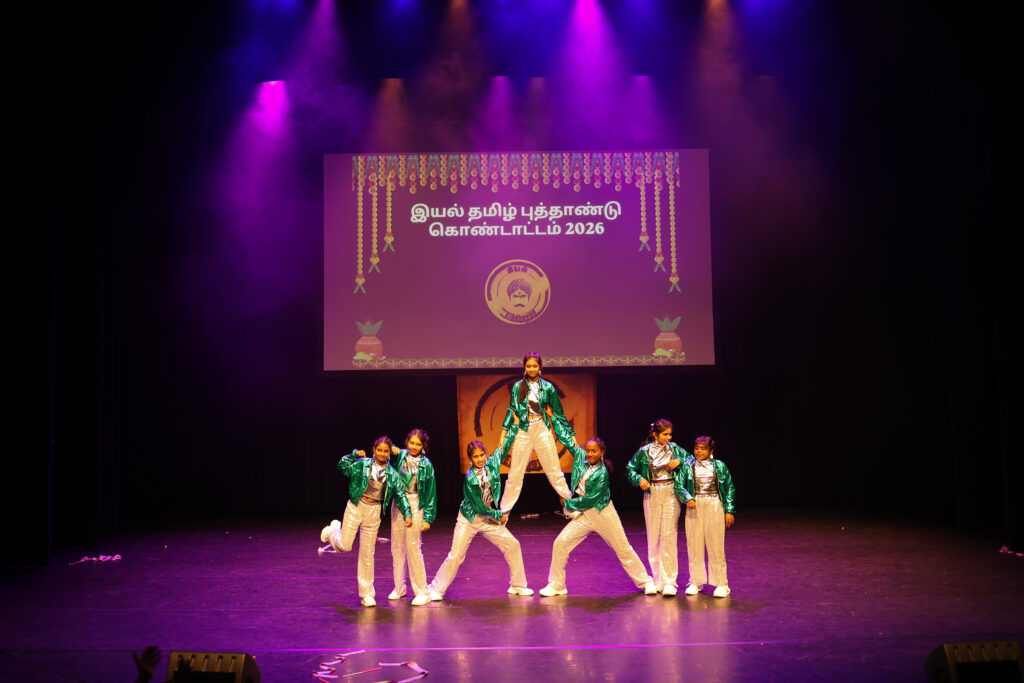
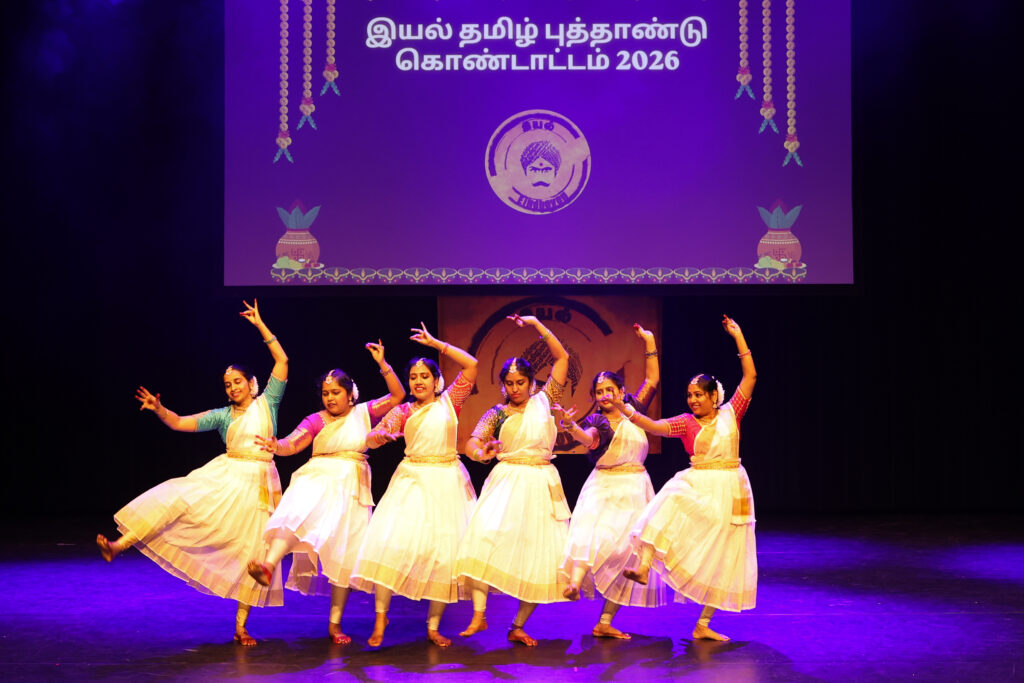
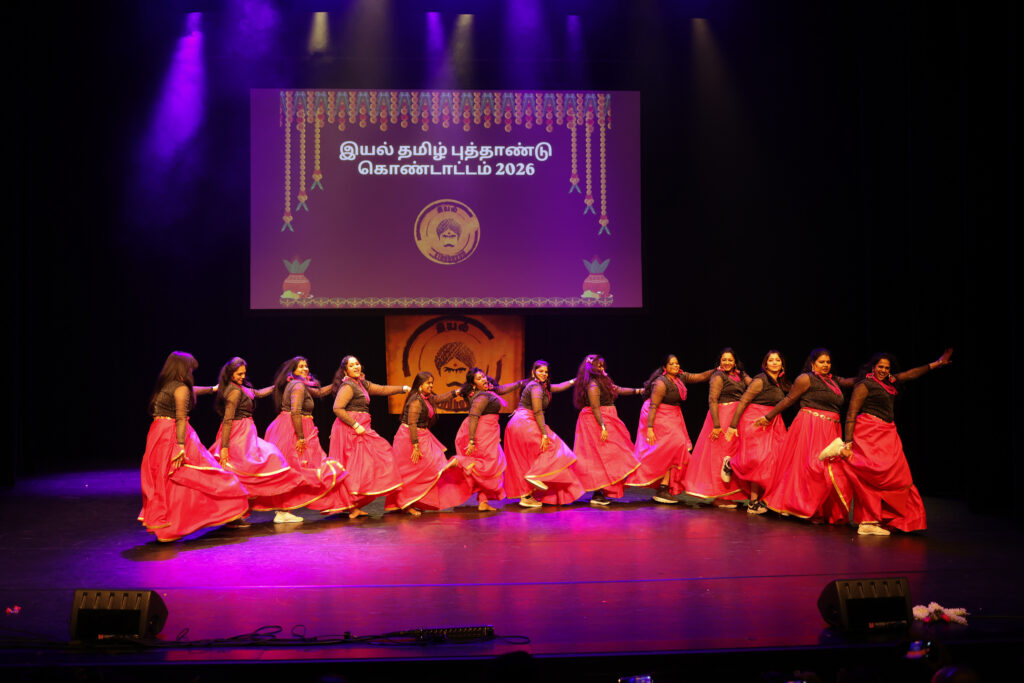
The event strongly focused on family life. Children and adults performed, mainly dance routines set to Indian music, often combined with theatrical elements and occasional singing. Early in the afternoon, young children took their first steps on stage, followed by teenagers and young adults, and, in the evening, by adults. Each performance was met with enthusiastic applause from proud parents. The quality of both performances and costumes stood out.
“People have been working on this for months,” said organiser Beena Arunraj. “Costumes have to be made, children attend dance classes, and each performance has its own choreography. These days are when all that effort pays off.”
Arunraj is pleased with the progress. “When we started organising, we really had to raise the level; we are, after all, enthusiastic amateurs. After each edition, we send out surveys to gather feedback, and it’s paying off. Indeed, I found this year’s performances very impressive. Our volunteer team of about 25 is crucial to the success of this programme. Without them, this is not possible.”
A sense of home
Family members in India were also included, with grandparents watching the performances via live stream from afar. Sridhar, a volunteer, is most of the time doing this from an isolated room when we all others are immersed in the atmosphere.
According to Arunraj, the theatre plays a key role in making the event possible. “We organise many events in Eindhoven, but Puthandu requires more from a venue. There are 200 children in dance groups, plus adults. There’s a lot of movement backstage and in the hall. De Schalm facilitates this wonderfully and also supports us in the preparation. In that sense, this theatre feels like a second home for the community.”
@studio040 | News Brainport