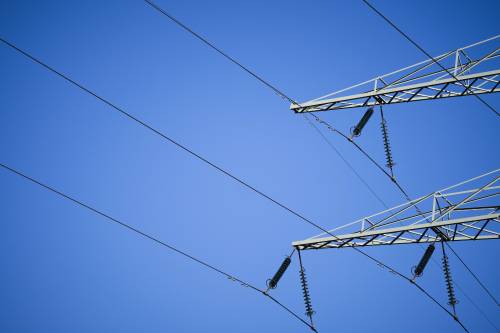
The Dutch government is urging households and businesses to adopt flexible electricity consumption as a way to tackle mounting pressure on the country’s overloaded power grid. Speaking at an Authority for Consumers & Markets (ACM) symposium, State Secretary for Climate Jo-Annes de Bat said the Netherlands must rethink how electricity is used.
Growing challenge
Grid congestion has become a growing challenge across the country, with limited network capacity delaying new connections. According to Netbeheer Nederland, the current electricity network cannot accommodate hundreds of thousands of planned new-build homes. “The network can handle a great deal, but we are not using it efficiently”, De Bat affirmed.
Encouraging
Flexible electricity use encourages consumers and businesses to shift energy-intensive activities to off-peak periods, reducing strain on the grid. Under flexible energy contracts, electricity is typically cheaper during these quieter periods, offering potential savings for users while helping balance demand.
Incentives
The minister argued that financial incentives will be essential to encourage consumers to change their habits. “People take action when there is a clear benefit”, he said. While he believes flexible electricity use should become “the new normal”, De Bat acknowledged that it may require consumers to accept greater uncertainty in energy availability.
The ACM organised the symposium to spark discussion about how Europe can maintain affordable energy during the transition to a climate-neutral and more energy-independent system. ACM board member Manon Leijten said the regulator aims to play a more active role in shaping debates about the future design of Europe’s energy market.
@anp | NEWSBRAINPORT