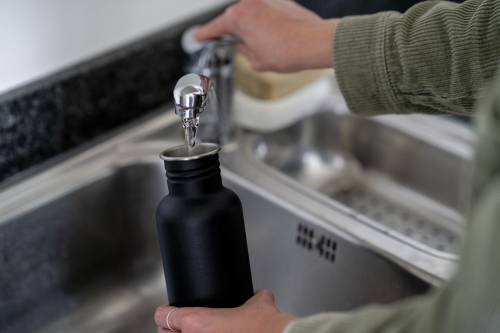
Tap water in large parts of the western Netherlands contains higher levels of PFAS chemicals than the National Institute for Public Health and the Environment (RIVM) considers safe. An analysis by Greenpeace using data from ten Dutch water utilities found that North Holland registers the highest concentrations. While all tap water remains well within European legal limits, several regions exceed stricter health recommendations.
Tap water meets European law but exceeds local health advice
European regulations permit up to 100 nanograms of PFAS per liter of tap water. Water tested in towns such as Zaandam and IJmuiden measured 14,3 nanograms per liter, keeping it well below the legal threshold. However, the RIVM recommends a much lower limit of 4.4 nanograms per liter based on recent scientific research. Newer studies show that low concentrations of PFAS can harm human immune systems, leading health experts to push for tighter restrictions.
Surface water pollution drives contamination in North Holland
Water utility PWN, which supplies tap water across North Holland, attributed the elevated readings to its primary supply sources. The company extracts water from the IJsselmeer and the Lek river, both of which absorb industrial pollutants flowing into the Netherlands via the Rhine and other international waterways. PWN urged governments to implement broader PFAS bans and improve monitoring, while emphasizing that its water complies strictly with national standards.
Health authorities confirm tap water remains safe to drink
Despite the elevated chemical levels, both Greenpeace and the RIVM advise residents to continue drinking tap water rather than switching to bottled alternatives. Environmental advocates stress that stopping chemical companies from producing and dumping PFAS into waterways represents the only viable long-term solution to clean drinking water.
@ anp | NEWS BRAINPORT