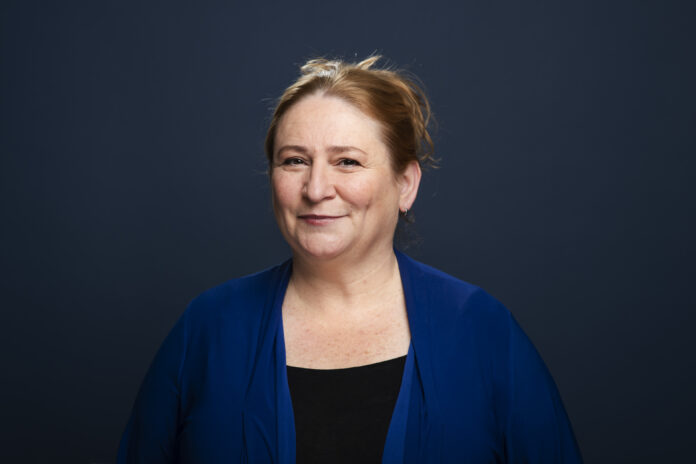
Following the 2026 municipal elections, Mary Fiers was appointed as (informateur), a mediator by the GroenLinks-PvdA party, which emerged as the lead negotiator. Her primary objective was to interview all party leaders to identify potential coalitions, establish key policy priorities, and find ways to improve the city’s political culture. Based on these discussions, she has officially recommended that the three parties from the previous city administration enter formal negotiations to form a new government.
Coalition recommendation
Fiers concluded that a partnership between the merged GroenLinks-PvdA, the CDA, and D66 offers the most stable foundation for Eindhoven. Together, these parties command a strong majority of 29 out of 45 seats in the council. However, she explicitly cautioned against “business as usual,” suggesting that while this coalition offers continuity, it must adopt a fresh leadership style to address concerns about transparency and administrative flexibility.
Across almost all political groups, three dominant themes emerged as the most urgent priorities for the 2026–2030 period. The first is housing, which remains a universal concern. Debates currently focus on the “85% affordable” norm; while left-wing parties such as the SP and GroenLinks-PvdA view this target as essential, right-leaning parties like the VVD and 50PLUS have called for more flexibility to encourage residents to move through the housing market (doorstroming).
The second priority is execution power. There is a broad consensus that the municipal organisation is currently overstretched. Parties agree that the focus must shift from developing new visions to the practical execution of existing plans. Finally, social cohesion and provision remain critical, particularly for the elderly and those living in poverty. There is shared concern about the “Beethoven Project”, the expansion of Brainport, and the need to ensure its benefits reach all residents, not just the technology sector.
Coalition variants discussed
Party leaders discussed three main coalition variants during the consultations. Most viewed the Continuity model, involving GroenLinks-PvdA, CDA, and D66, as a rewarded and stable option. However, some critics argued it remained too closed off from the opposition. The VVD and CDA proposed a Centre-Right alternative comprising the CDA, D66, VVD, and 50PLUS to reflect a perceived shift toward the political middle. Additionally, several smaller parties suggested a Progressive Left variant involving a broad bloc of seven organisations.
Mayor’s perspective
Mayor Jeroen Dijsselbloem contributed a vital perspective to the report, emphasising the need for transparency and a “reality check.” He urged the forming parties to align their political ambitions with the actual executive power of the civil service. He also highlighted the importance of regional balance, ensuring that the rapid growth of the Brainport region does not come at the expense of the city’s social needs.
The mediator’s report highlights a city at a crossroads: it is economically booming but struggling with the practicalities of growth, such as housing shortages and a lack of municipal staff. The recommendation to move forward with the previous coalition partners marks the start of a formation phase to create a stable government capable of securing broad support within the new council.
NEWS BRAINPORT