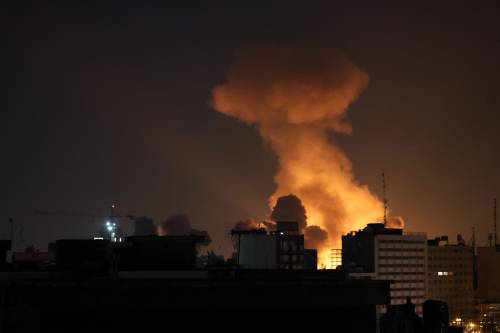
Crop prices are climbing as the war in Iran continues to affect global markets. Soybeans, corn, and wheat have all become more expensive on Chicago’s major commodity exchange. Consumers may see higher prices in supermarkets, although the impact will differ from country to country.
Bloomberg reported that palm oil prices rose by 10 percent on Monday, marking the largest increase since 2022. Prices for soybean oil and wheat also increased sharply.
The conflict has effectively closed the Strait of Hormuz, restricting the flow of oil and gas from the Middle East. This has boosted demand for crop‑based biofuels. At the same time, rising energy and fertiliser costs are adding pressure on farmers. Countries may stockpile essential crops such as wheat, which could further raise prices.
Joe Davis said Americans will see higher fuel prices right away, with food costs rising only if transport and fertilizer prices remain elevated.
“Most farmers have secured prices or supplies for 2026, but they could feel the strain next year if the Strait of Hormuz stays closed,” Davis said.
In the Netherlands, several economists warned last week that the conflict in the Middle East could increase inflation. However, the scale of the impact depends on how long the war lasts and how disruptive it becomes.
@anp | NEWS BRAINPORT