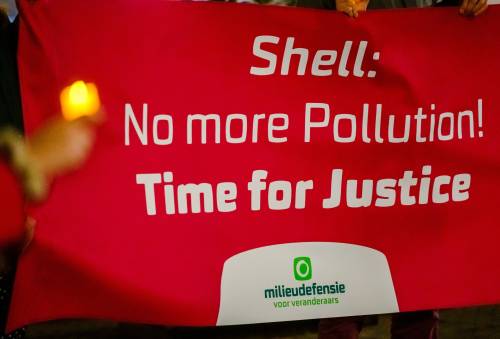
The landmark climate case between Milieudefensie and Shell is reaching its climax. The environmental organisation and the oil giant will meet at the Supreme Court on Friday. The plaintiffs still want the court to impose a specific emissions reduction target on Shell.
Winnie Oussoren of Milieudefensie believes the group has a strong chance. She stated that the appeals court evaluated the case too narrowly. Milieudefensie won the initial trial. The district court ordered Shell to cut its CO2 emissions by 45% by the end of 2030. This mandate included indirect emissions from motorists using Shell fuel. However, the court of appeal later dismissed these claims.
The debate over targets
The appeals court largely agreed that climate change threatens human rights. It ruled that companies like Shell must lower their emissions. However, the judges refused to impose a specific percentage. They cited a lack of scientific consensus on the exact requirements. They also argued that the rule would be ineffective because competitors could simply take over Shell’s fuel trade.
Oussoren argued that the appeals court missed the final step. Lawyer Mieke Reij added that a duty of care must have clear consequences. She pointed out that numerous legal experts heavily criticised the appeal ruling.
Shell’s view and next steps
Shell welcomed the appeal outcome. The company argues that judges should not impose specific targets on individual firms. Shell stated that it supports a balanced energy transition. It aims for net-zero emissions while maintaining a reliable and affordable energy supply.
The Supreme Court will only check if the lower court applied the law correctly. It will not reheat the entire case. The hearing will last just a few hours. Following the session, the Advocate General will draft an advisory opinion. The court expects to deliver its final judgment in the first half of next year. Meanwhile, Milieudefensie has launched a second lawsuit to stop Shell from drilling new oil and gas wells.
@ anp | NEWS BRAINPORT