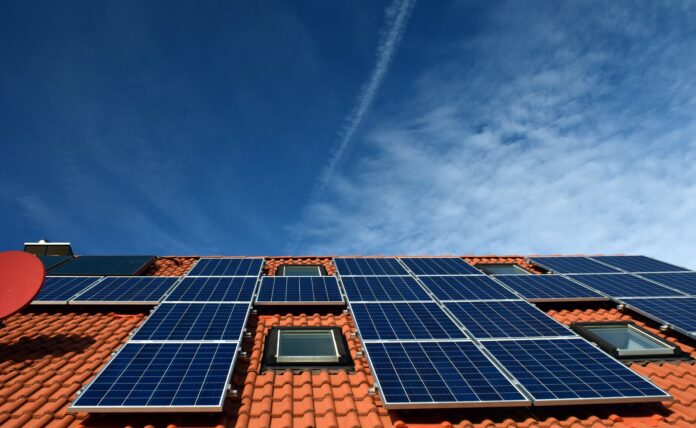
Ownership of solar panels in the Netherlands remains unevenly spread across households, according to new research by the Central Planning Bureau (CPB). The study shows that families with higher incomes and greater wealth are significantly more likely to install solar panels and benefit from sustainable energy generation.
Imbalance
Between 2020 and 2024, the number of homes equipped with solar panels rose sharply. By 2024, roughly one in three Dutch households had panels installed. The highest income groups continue to be overrepresented, and this pattern has barely shifted in recent years. The CPB notes that housing associations play an important equalising role. They invest in solar panels more frequently than private landlords, enabling lower‑income tenants to benefit from solar energy as well. Policy incentives encourage these associations to expand their solar capacity. Private renters remain the group least likely to have access to solar panels.
Metering Scheme
Solar panels are also more common outside major cities, the CPB reports. This trend holds even when comparing only single‑family homes. Income differences partly explain the pattern, with cities having a higher concentration of low‑income households. Households with solar panels tend to consume more electricity overall, often because they combine solar power with heat pumps or electric vehicles.
The study includes data up to 2024, meaning the CPB has not yet assessed the impact of the late‑December 2024 announcement that the net metering scheme will be abolished on 1 January next year. The scheme was originally introduced to encourage households to invest in solar panels.
@anp | NEWSBRAINPORT