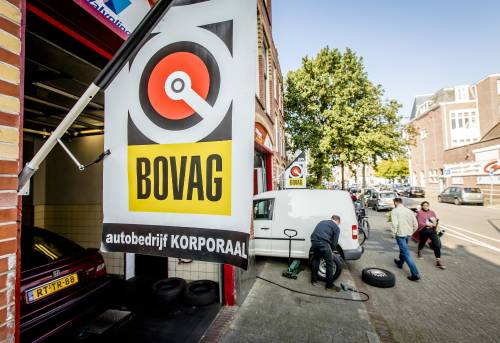
Targeted government support for energy costs would be more effective than a general fuel tax cut, according to Christianne van der Wal. The chair of BOVAG said it would be wise for the Dutch cabinet to introduce measures to ease the impact of rising fuel prices on households and businesses.
Speaking on a television programme, Van der Wal said a broad reduction in fuel excise duties would not be the best solution. She estimated that a cut of 10 cents per litre would cost around €1 billion per year. While such a measure would slightly ease costs for motorists, fuel prices in the Netherlands would still remain relatively high compared with neighbouring countries.
“Spending a billion euros in this way, spread thinly through a small reduction at the pump, does not seem sensible,” she said.
Van der Wal instead argued for more targeted measures to support those most affected. She referred to earlier reports that the government is considering reducing road tax for delivery vans used by businesses and creating an emergency fund to help with energy bills. “It makes much more sense to target support,” she said.
“There are people who cannot afford to pay their bills, and they need help. That also applies to businesses,” she added. Many companies are tied to fixed contracts and are unable to pass rising costs on to customers.
Van der Wal also called for policies to encourage electric driving. She noted that cars remain an important source of government revenue, not only through taxes but also through charges such as municipal parking fees. “That needs to change,” she said.
@anp | NEWS BRAINPORT