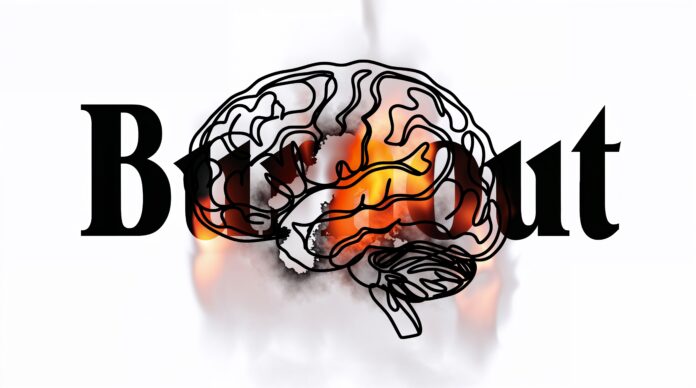
Mental health crisis in the workforce
Employees between 25 and 45 years old are calling in sick more frequently and for longer periods, according to occupational health service Arbo Unie. Between 2020 and 2025, reports of burnout symptoms in this age group doubled. The average duration for psychological absence now approaches six months. A spokesperson noted that since the pandemic, young professionals face a combination of high workloads and complex social pressures. Many are balancing careers with young children, caregiving duties, and financial stress. Often, the combination of these private responsibilities and professional expectations makes the total burden too heavy to carry.
Societal pressure and early warning signs
Arbo Unie is also observing a rise in short-term sick leave among younger workers. The organisation views this as a worrying development, as frequent short absences often serve as a signal for impending long-term burnout. Various studies highlight that this demographic experiences intense pressure to perform and a constant need to be digitally reachable. Financial uncertainty and the housing crisis also weigh heavily on their mental well-being. Furthermore, many young adults still feel the lingering effects of pandemic lockdowns, which caused significant psychological distress during their formative professional years.
Strategies for prevention and recovery
Tackling this crisis requires a dual approach from both employers and employees. Companies must move beyond simple wellness initiatives and focus on structural changes, such as capping workloads and enforcing “right to disconnect” policies after work hours. Creating a culture where mental health is discussed openly can help identify struggling employees before they reach a breaking point. On an individual level, setting strict boundaries between professional and personal life is essential. Experts recommend regular physical activity and mindfulness to manage cortisol levels, alongside seeking professional psychological support at the first sign of chronic exhaustion.
Addressing the housing and financial burden
Since external factors like the housing market contribute significantly to burnout, some forward-thinking organisations are now offering financial coaching or housing assistance as part of their employee benefits. Reducing the mental “load” of financial stress can directly improve productivity and focus at work. By addressing the root causes of anxiety rather than just the symptoms of exhaustion, the Dutch workforce can begin to reverse the trend of rising sick leave. Ultimately, a societal shift is needed to prioritize sustainable work habits over constant growth and perpetual availability.
@ anp | NEWS BRAINPORT