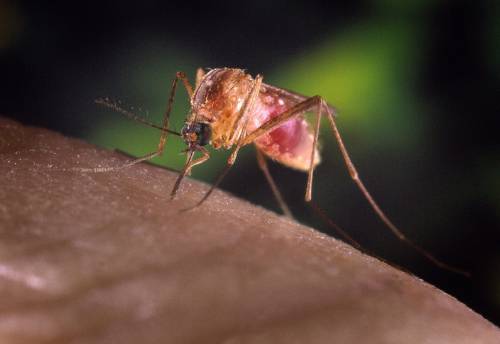
Climate change could lead to larger outbreaks of both West Nile virus and the related Usutu virus in Europe, according to researcher Mariken de Wit from Wageningen University & Research. The findings from her PhD thesis, which she defends on Thursday, could help prepare for future outbreaks in the Netherlands.
Rising temperatures drive virus transmission
By combining virus transmission models with climate and land-use scenarios, De Wit discovered that future outbreaks of West Nile virus and Usutu virus could grow larger, last longer, and spread faster. Rising temperatures represent the primary driver of this trend. Local changes in bird and mosquito populations also influence the overall transmission risk. Birds act as the main host for West Nile virus, which mosquitoes then transmit to humans and other animals with potentially fatal consequences. The Usutu virus primarily affects birds via mosquitoes and rarely harms humans.
In the Netherlands, at least 59 people have contracted West Nile virus so far this year, leading to ten recorded deaths. Last year, the Rijksinstituut voor Volksgezondheid en Milieu (RIVM) reported no infections. However, an RIVM spokesperson noted that the ten fatalities were not necessarily caused directly by the virus, as those patients were elderly or suffered from underlying health conditions.
@ anp | NEWS BRAINPORT