The prolonged closure of the Strait of Hormuz, combined with extreme weather conditions, has pushed global agricultural prices to their highest level in two years. Rising crop prices, alongside higher fertiliser costs and the prospect of smaller harvests, are increasing the risk of food inflation – meaning higher prices for essentials.
Prices on the rise
The Bloomberg Agriculture Spot Index, which tracks ten of the world’s most widely traded crops, has risen for the third consecutive month in April. It has now reached its highest level since November 2023. This marks a clear shift from the period before the conflict, when abundant supplies and record harvests kept prices relatively low.
From surplus to pressure
Before the outbreak of war, global grain supplies such as wheat and corn were stable thanks to several strong harvest seasons. Meanwhile, prices for soybeans and vegetable oils were supported by demand from the biofuel sector.
Now, farmers from Asia to Australia and the United States are facing a combination of challenges. The impact of the Middle East conflict, together with ongoing drought conditions, is driving up the cost of staple foods such as bread, pasta, and cooking oil.
Key crops
Among the hardest hit crops are wheat and corn, which require the highest amount of fertilisers to grow. Since the start of the conflict in late February, wheat prices have risen by 11 percent, reaching their highest level in nearly two years. Corn prices have increased by 6 percent over the past two months, hitting a one-year high.
Uncertainty
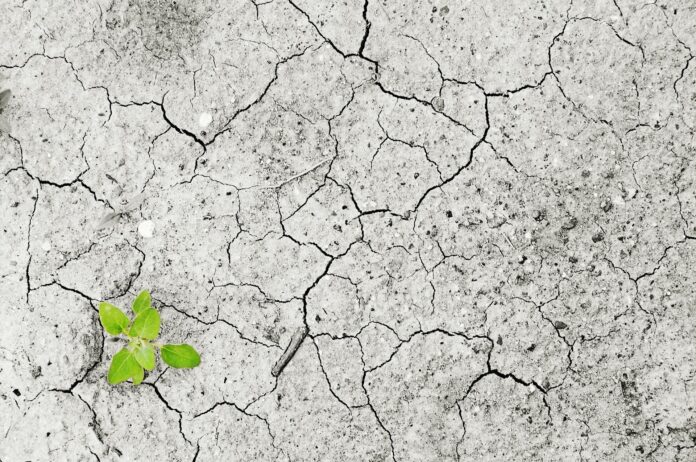
Weather conditions are adding further pressure to the already tight global markets. Persistent drought in the U.S. Great Plains is pushing wheat prices higher, while forecasts of unfavourable weather are raising concerns in several other key agricultural areas.
@anp | NEWSBRAINPORT