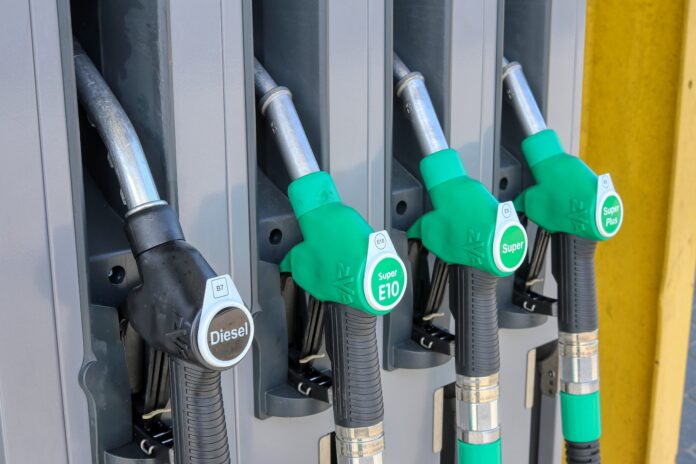
The recommended retail price for petrol in the Netherlands is approaching earlier record levels due to surging global oil prices. According to consumer platform UnitedConsumers, the recommended price for a litre of Euro95 has risen to €2.640, up from €2.597 on Monday. The current record stands at €2.646 per litre, which was set on 6 May.
Rapid price increases across all fuels
Fuel costs have climbed dramatically since the start of the year. On 1 January, the recommended price for Euro95 was €2.178 per litre. Meanwhile, the recommended price for diesel jumped to €2.605 per litre, up from €2.559 the previous day. Diesel reached a record high of €2.819 per litre on 8 April, compared to its price of €1.938 per litre at the start of the year.
Geopolitical tensions drive energy market surge
Escalating violence in the Middle East has driven the sharp increase in oil prices. Tensions surrounding Iran and the blockade of the Strait of Hormuz continue to disrupt global shipping routes. Tensions escalated further following US military strikes on Iran and retaliatory Iranian attacks on American targets in the region. Crude oil benchmarks reflect this volatility, with US WTI crude rising to over $87 per barrel and Brent crude climbing to nearly $92 per barrel. European natural gas prices have also surged on the Amsterdam exchange to over €70 per megawatt-hour, up from around €28 at the start of the year.
Financial strain impacts Dutch motorists
Recommended retail prices typically apply to highway petrol stations, whereas off-highway stations generally offer lower rates. However, rising fuel costs are placing significant financial pressure on drivers. A study by motoring organization ANWB reveals that nearly a quarter of Dutch drivers suffer significantly from rising prices, while over half report moderate financial impact. A separate survey by Kieskompas and news agency ANP found that a majority of Dutch citizens worry about the impact of fuel costs on their household budgets.
@ anp | NEWS BRAIPORT