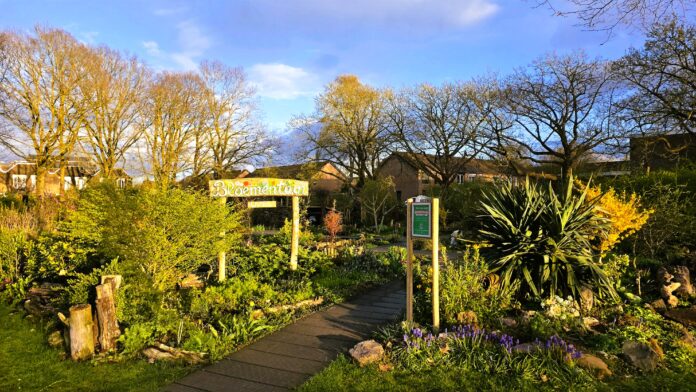
April 2026 has been exceptionally sunny and dry in the Netherlands, placing it among the most remarkable spring months on record. With 260 hours of sunshine, the month ranks among the five sunniest Aprils ever measured, according to Weeronline. Temperatures may rise slightly further toward the very end of the month.
Mild temperatures, few extremes
Temperatures were slightly above average, with a monthly mean of 10.5°C compared to the usual 9.9°C. Despite the dryness, the month saw relatively few extremes, which is typical for April. The highest temperature was recorded on April 9, when 23.6°C was measured in North Brabant.
Growing rainfall deficit
What stands out most, however, is the lack of rainfall. Normally, April brings around 43 millimetres of precipitation, but this year’s total was dramatically lower, with only 8 millimetres. As a result, the national precipitation deficit has already climbed to 62 millimetres. According to weather experts, 2026 is currently tracking closely with 1976, the driest year ever recorded in the Netherlands.
Concerns
This early-season dryness is particularly concerning because spring is usually a crucial period for replenishing soil moisture and groundwater reserves. Without sufficient rainfall, soils dry out faster, putting stress on vegetation much earlier in the year. Natural areas such as forests, heathlands, and sandy soils are especially vulnerable under these conditions.
Increased wildfire risk
The dry and sunny weather also significantly increases the risk of wildfires. In regions like the Veluwe, where large forested areas dominate, the combination of dry vegetation, low humidity, and occasional wind creates ideal conditions for fires to ignite and spread quickly. Even minor human activities, such as barbecuing, using machinery, or discarding cigarettes, can trigger fires in these circumstances. Authorities often respond by raising wildfire risk levels and urging caution in nature areas.
Side effects
Agriculture is already feeling the effects. Farmers may need to begin irrigating crops earlier than usual, placing additional strain on water supplies. If the dry trend continues into summer, it could lead to water shortages, reduced crop yields, and possible restrictions on water use.
Nature and biodiversity are also affected. Plants that rely on moist soil conditions may struggle to grow, while ponds and small water bodies can dry up, reducing available habitats for insects and animals. These early disruptions can have longer-term consequences for ecosystems throughout the year.
@anp | NEWSBRAINPORT