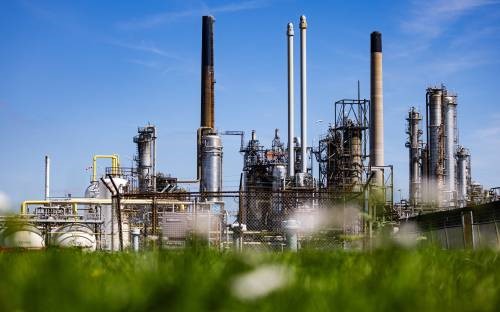
Dutch oil refineries have increased production to maximum capacity because of the Iran war.
They have adjusted operations to supply as much jet fuel and diesel as possible. Jan-Willem van den Beukel, director of industry association VEMOBIN, says the Netherlands is Europe’s largest exporter of these fuels. He says the country is not expected to face shortages in the near term.
Refineries are always optimised to match market demand, Van den Beukel said. “But the situation has changed significantly due to the Iran war, with major shortages. This is clearly visible in refinery output.” While refineries cannot produce only jet fuel or diesel for practical reasons, they aim to achieve the best possible balance.
“All Dutch refineries that are able to operate are now running at full capacity,” Van den Beukel added. He said they are responding to a “serious situation” in Eastern Europe regarding fuel availability. Higher prices have already pushed parts of Asia into physical shortages, as some buyers cannot afford to pay. Despite the closure of the Strait of Hormuz, traders continue supplying enough crude oil to Dutch ports at higher prices.
Erik de Vries, director of NOVE, said the Netherlands faces a very small risk of physical shortages in the short term. “Global trade has not come to a complete stop. Disruptions have affected around 20 per cent, but other countries are maximising production. This still leaves a shortfall of about 10 per cent.”
He added that this situation will likely keep prices elevated for some time. Wealthier countries such as the Netherlands can continue paying these prices and securing supply. Asian countries are “at the back of the queue” and already facing shortages.
If supply were to come under pressure, the Netherlands could rely on its strategic reserves, which are sufficient to cover around three months of normal consumption.
@anp | NEWS BRAINPORT