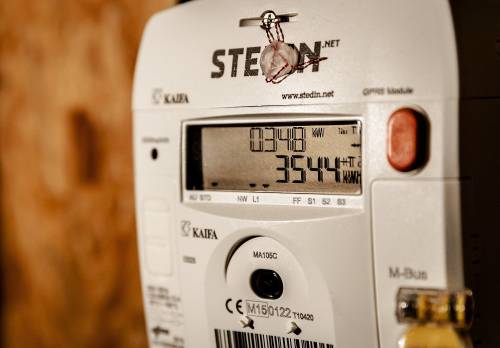
The Netherlands Authority for Consumers and Markets (ACM) is reviewing a proposal from the trade association Netbeheer Nederland to introduce volume- and time-dependent tariffs for small consumers, including households. Under the proposal, consumers would pay higher charges when they use large amounts of electricity or consume it during peak periods on the grid.
The plan aims to reduce pressure on the congested electricity grid by encouraging people to shift their usage. For example, charging an electric car could become cheaper during off-peak times, such as in the middle of the day or at night. According to the regulator, this could free up capacity for other users to connect to the grid. Volume-based tariffs are also intended to distribute costs more fairly among consumers.
An ACM spokesperson said the regulator will assess the proposal and its impact on consumers in the coming months. A draft decision is expected around the summer, after which stakeholders will have the opportunity to respond. The ACM intends to make a final decision later this year. If approved, the new tariffs are expected to be introduced in 2029.
At present, transport tariffs depend mainly on the capacity of a grid connection, regardless of when or how much electricity is used. Under the proposal, around two-thirds of the transport tariff would be based on the timing and volume of electricity consumption.
These tariffs are part of network management costs. Energy suppliers charge these costs to consumers and then pass them on to grid operators.
Earlier this year, Netbeheer Nederland also submitted a proposal to introduce time-dependent tariffs for large consumers on regional networks.
@anp | NEWS BRAINPORT