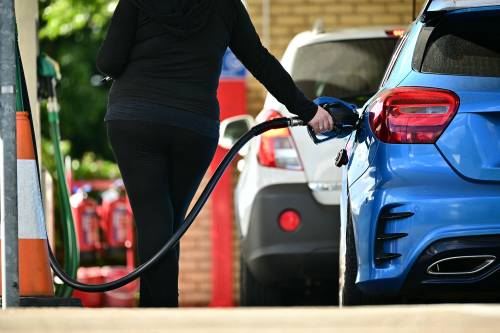
Dutch drivers paid an average of 1 cent less per liter for diesel on Saturday following an immediate price dip linked to a major emergency stock release by G7 nations. The group of leading industrialized countries announced plans on Friday to release up to 100 million barrels of crude oil and diesel from national strategic reserves over the next four months.
Trump pressures European allies to curb soaring US fuel costs
The G7 intervention follows heavy pressure from US President Donald Trump, who threatened France and Germany with export bans if they refused to cooperate. Trump pushed for the massive stock release to suppress soaring domestic fuel prices in the United States ahead of the crucial November congressional elections.
National advisory prices record minor dips at motorway pumps
According to consumer platform UnitedConsumers, the average national advisory price for diesel in the Netherlands dropped to €2.760 per liter. Meanwhile, Euro95 petrol experienced a minor fractional drop to €2.705 per liter:
- Diesel advisory price: €2.760 per liter (down 1 cent)
- Euro95 advisory price: €2.705 per liter (slight fractional decrease)
Note: Advisory prices are typically charged at major motorway gas stations, while off-highway fuel stations often offer discounts of up to several dozen cents per liter.
Experts warn price relief remains brief amid Middle East supply crisis
Economists warn that the emergency reserve release offers only temporary relief. Samina Sultan, an economist at the German economic institute IW, noted that while releasing reserves cushions immediate supply shocks, it fails to solve underlying market disruptions. Ongoing conflict in the Strait of Hormuz continues to restrict crude oil exports and isolate major global refineries from world markets.
Pump prices in the Netherlands recently hit historical highs, with Euro95 reaching a peak advisory price of €2.730 per liter on 28 September and diesel peaking at €2.824 per liter on 19 September. Local energy analysts maintain that sustained fuel price declines remain unlikely in the coming months.
@ anp | NEWS BRAINPORT