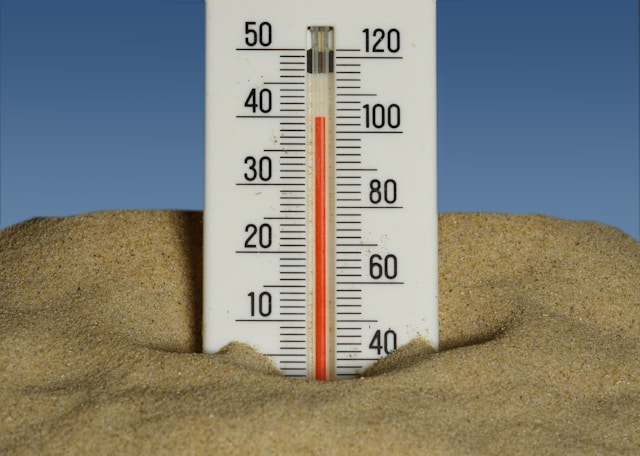
National heatwave plan activated as code orange warning issued for the Netherlands
The National Institute for Public Health and the Environment (RIVM) has fully activated the national heatwave plan (Nationaal Hitteplan) following a severe weather warning. The Royal Netherlands Meteorological Institute (KNMI) has issued a code orange warning for extreme heat, with daytime temperatures expected to reach between 34°C and 39°C.
A code orange warning indicates that extreme weather poses a health risk to the entire population, rather than just vulnerable groups. High humidity and overnight temperatures remaining above 23°C will place additional strain on the body. Health authorities advise everyone to take immediate precautions, particularly when outdoors.
The National Heat Plan is a warning system of RIVM. RIVM warns national organizations in healthcare at various times during the heat season. The heat season lasts from May to September. But if the National Heat Plan is active, the call applies to anyone who cares for vulnerable groups in any way.
Essential advice for staying cool
The RIVM has issued three main recommendations to help people stay safe. First, drink plenty of fluids such as water, tea, or coffee regularly, without waiting until you feel thirsty. Second, avoid strenuous physical activity and heavy chores, especially during the peak heat hours between 12:00 and 18:00. Finally, stay out of direct sunlight, seek shade, and wear a hat and high-factor sunscreen.
Managing your indoor environment is also essential during a prolonged heatwave. Residents should keep windows and doors closed during the day and lower external blinds before the sun hits the glass. Ventilation should only take place late at night or early in the morning when the outside air is cooler than inside. Is it too hot at home? Cool down at public cool or chilled places, such as a park with shade, a library or indoor shopping center. Or visit indoor festivals/ac that offer air conditioning.
Safe travel precautions
Travel safely during extreme heat. The national road authority, Rijkswaterstaat, warns that high temperatures can impact asphalt and cause vehicles to break down. Drivers should check vehicle coolant levels, carry ample bottled water, and maintain a charged mobile phone. Children and pets must never be left in parked vehicles. Public transport users should check travel apps before departure, as train operators may reduce services to prevent rail infrastructure from overheating.
On Friday, June 26, air quality may be “bad” on the coast of Zeeland, South Holland and North Holland. On Saturday, June 27, the chance of ozone smog in a strip across the middle of the country and North Holland is. People who are sensitive to smog can suffer from this. RIVM advises them to stay indoors and limit heavy physical exertion. This advice is especially true in the afternoon and early evening, because the air is then the most contaminated.
Identifying heat stress symptoms
Health authorities urge the public to recognise the symptoms of heat stress, which progress in three stages. Mild overheating causes headaches, dizziness, fatigue, and intense thirst. If these symptoms appear, move to a cool room and drink water.
Moderate heat exhaustion leads to fainting, muscle cramps, a rapid heart rate, and clammy skin. In this case, rest immediately, use wet cloths to cool down, or take a lukewarm shower.
Severe heat stroke is a medical emergency. Symptoms include vomiting, a body temperature above 39°C, dry skin, confusion, or unconsciousness. If you suspect heat stroke, call the emergency services on 112 immediately.
Supporting vulnerable neighbours
Community care is a critical part of the national heatwave plan. The RIVM urges people to check regularly on neighbours who may be vulnerable. This includes infants, people with chronic illnesses, and elderly residents over the age of 75, who face the highest risk during extreme weather.
NEWS BRAINPORT | RIVM