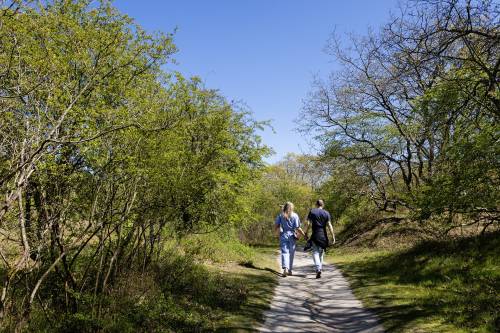
Greener cities, wider rivers, and dynamic coasts help the Netherlands adapt to rising sea levels. A new report by the NL2120 program highlights natural ways to protect the low-lying country from extreme weather. Experts from Wageningen University, Deltares, and environmental groups built the report as an open call for action rather than a strict set of rules.
Green options shield coasts and lower flood risks
As a low-lying delta, the Netherlands remains vulnerable to sea level rise and severe storms. The report outlines practical green solutions that protect both ecosystems and towns:
- Dynamic coastal zones: Wide areas of dunes, marshes, and shallow waters shield inland regions from sea storms.
- Wider riverbeds: Giving rivers more space lowers high water levels by tens of centimeters. This removes the need to raise dikes along most routes after 2050.
- Urban plants and trees: Adding green spaces in cities cools hot streets, absorbs rain, and improves local well-being.
Peatland water management requires farm changes
Raising water levels in peat meadows stops soil sinking and traps carbon dioxide. However, wet fields make traditional dairy farming difficult. Researchers suggest wet crops (paludiculture) as a fresh option. Plants like cattail, reed, and moss can supply raw materials for eco-friendly building supplies, biomass, and soil.
@ anp | NEWS BRAINPORT