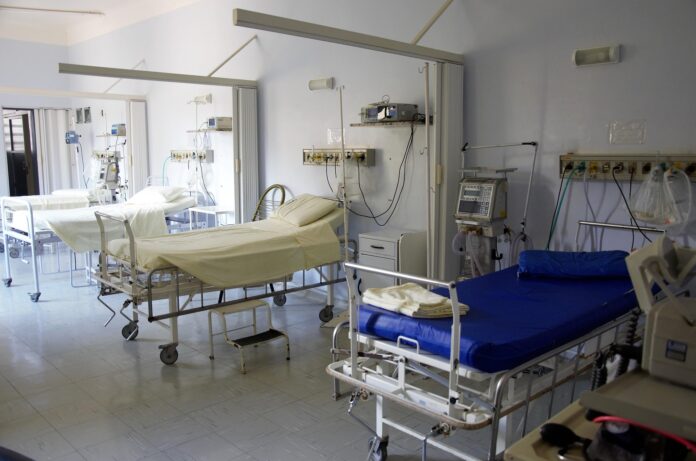
Regional hospitals across the Netherlands have failed to expand routine, planable care in recent years despite clear national agreements, Health Minister Sophie Hermans stated during a parliamentary debate. Meanwhile, highly complex treatments are increasingly concentrated in larger specialized hospitals.
Integral Healthcare Accord aims to balance local and specialized care
Under the 2022 Integral Healthcare Accord (IZA), health authorities agreed that complex treatments should shift to specialized medical centers. Simultaneously, routine care—such as initial diagnostic assessments—was supposed to move back to regional hospitals. Minister Hermans acknowledged the imbalance, stating that regional expansion efforts must urgently pick up the pace.
Financial incentives keep routine care in major hospitals
Members of Parliament expressed strong concerns regarding the lack of progress in distributing routine care:
- Ingrid Coenradie (JA21): Questioned whether local expansion would ever materialize. She noted that large hospitals and insurers profit more when keeping care centralized, as hospitals are paid per procedure.
- Femke Wiersma (BBB): Highlighted the conflicting interests of large medical institutions, warning that financial motives prevent effective care distribution.
Regional collaboration required to overcome centralization hurdles
Minister Hermans explained that centralizing complex care is naturally easier than redistributing routine services to regional clinics. Expanding local care requires establishing structured regional consultations between healthcare providers and insurers.
The IZA plan aims to make routine healthcare more accessible for local residents. Additionally, expanding regional services helps protect local hospital revenues while maintaining long-term care quality across the country.
@ anp | NEWS BRAINPORT