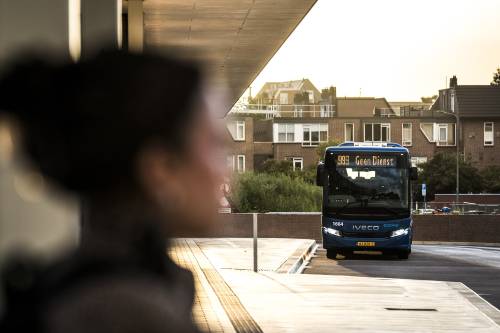
Regional bus drivers and train operators will go on strike one day a week until Christmas, trade unions FNV and CNV have announced. The nationwide industrial action comes after negotiations over a new collective labour agreement broke down. Staff will walk out for the first time on Wednesday.
Unions are withholding the exact dates of subsequent strike days to prevent employers from preparing. “We will not allow our industrial action to be undermined by employers drawing up last-minute emergency timetables,” said CNV negotiator Niels Rook.
While FNV acknowledged the impact on passengers, the union defended the decision. “Passengers also benefit from a workforce that can work safely and healthily. Sickness absence in regional transport is already high. Increasing the pressure solves nothing and pushes reliable public transport even further out of reach,” said Marijn van der Gaag, board member at FNV Regional Transport.
The strikes follow the expiry of a deadline set by the unions. The Association of Public Transport Employers (VWOV) expressed regret over the planned disruption, maintaining it had made a “fair offer”.
Unions rejected that characterisation. “We gave employers a clear opportunity to return to the negotiating table, which they failed to take. Instead, they are sticking to a package of major cuts. We have been left with no choice but to take action,” Van der Gaag said. Unions are demanding measures to ease workloads, an early retirement scheme, and higher pay.
CNV highlighted working hours as a key sticking point. “We are drawing a line in the sand. We need healthier, more social shift patterns with greater regularity and a better work-life balance, not tighter schedules.”
The national collective agreement covers around 13,000 workers—primarily bus drivers—across operators including Arriva, EBS, Qbuzz, and Keolis. It excludes municipal transport networks in Amsterdam, The Hague, and Rotterdam. The previous agreement expired at the end of June.
VWOV reiterated its call for talks, warning that passenger disruption was unavoidable. “Financial pressure across public transport remains severe, and there is simply no room to meet the unions’ demands,” the employers’ group stated.
@anp | NEWS BRAINPORT