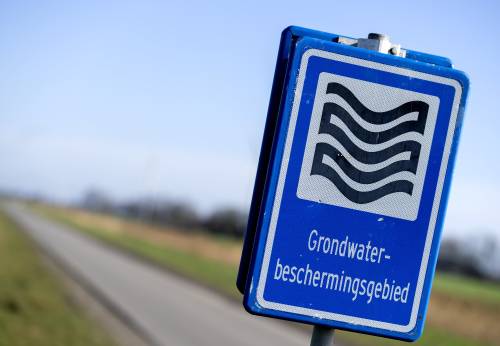
Shallow groundwater in many areas contains substances that do not belong in drinking water more often than previously thought. These include pesticides, medicines, PFAS, and nutrients. This finding comes from five years of measurements using a new monitoring network in groundwater protection areas, according to drinking water company Vitens.
In total, 230 different substances that threaten drinking water were identified. Research institute KWR analysed the collected data.
Together with the provinces of Friesland, Overijssel, Gelderland and Utrecht, Vitens set up the Early Warning monitoring network. The network includes about 600 monitoring points located less than 10 metres deep. Between 2021 and 2025, around 600 different substances were monitored, on average twice per location, within the Vitens service area. The effects of human activity appear more quickly in shallow, recently formed groundwater than in deeper groundwater sources.
Although some of the detected substances have been banned for many years, they are still present in the soil and groundwater. Vitens says this shows how persistent these substances are once they enter the soil. “The soil is our first filter, but it cannot stop all dangerous substances that people introduce into it,” said Hanneke Vreugdenhil, policy adviser at Vitens. “To prevent pollution from entering drinking water sources, we must first prevent harmful substances from entering the soil.”
Vitens and the provinces plan to continue the Early Warning monitoring network. The aim is to detect early what is affecting drinking water sources and respond in time, so that drinking water continues to meet quality standards.
@anp | NEWS BRAINPORT