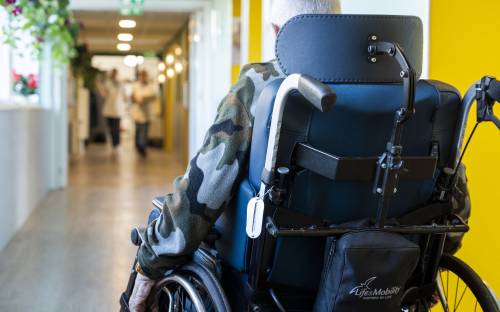
Dementia cost the Netherlands an estimated 31.8 billion euros last year. Health economist Robbert Huijsman from Erasmus University calculated this figure in a new study for Alzheimer Nederland. For the first time, research maps the full social and economic impact of the condition. The final report highlights that dementia expenses extend far beyond standard healthcare budgets, combining direct medical fees with vast indirect costs.
Pressure shifts to families and employers
Families and informal carers currently absorb a massive portion of this financial burden. When relatives cut their working hours to provide care, they trigger a substantial economic ripple effect. The report notes that these individuals face severe physical and emotional strain. Many eventually become ill themselves, which forces them to take time off work and leaves employers to cover the cost of sick leave. The study also tracks smaller, everyday expenses like travel to nursing homes and home delivery fees for medication.
Demographic changes threaten future care stability
Alzheimer Nederland fears that societal pressure will only intensify in the coming years. An aging population and higher life expectancy will rapidly increase the number of dementia patients. At the same time, the number of available family carers and professional healthcare workers is actively declining.
Wiesje van der Flier, executive director of Alzheimer Nederland, warns that sudden healthcare budget cuts will act like a boomerang. They will simply push the financial weight back onto local municipalities and struggling families. The charity urges immediate investment in prevention, new treatments, and dementia-friendly neighborhoods.
@ anp | NEWS BRAINPORT