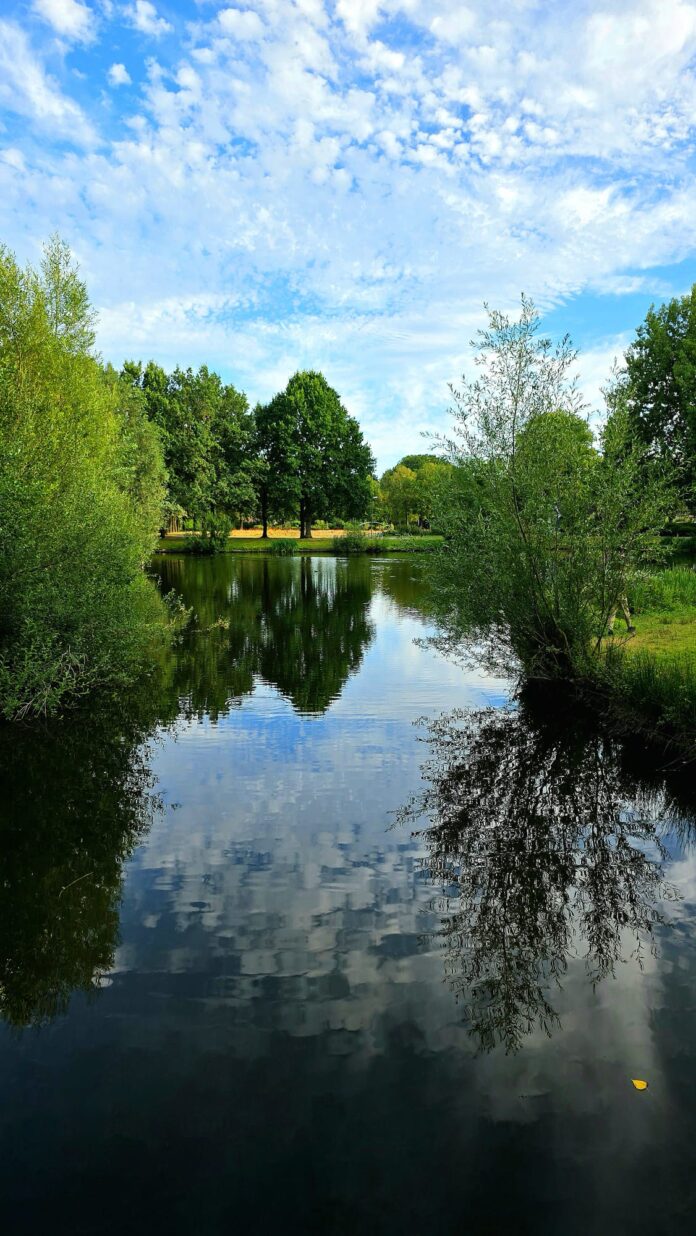
Dutch lakes and swimming ponds no longer meet full chemical safety standards, according to a new analysis by ‘Natuur & Milieu’ and the Netherlands Institute for Ecology (NIOO‑KNAW). The organisations reviewed water‑quality data from 205 official and 57 unofficial locations. It has been concluded that none of them satisfies all chemical criteria.
Rob van Tilburg, Director of Programs at ‘Natuur & Milieu’, notes that government action focuses mainly on blue‑green algae and bacterial contamination, while chemical pollution receives far less attention. The report stresses that these substances are unlikely to cause immediate health effects from a single swim, but long‑term exposure remains a concern.
The findings show that chemical pollutants such as PFAS and pesticides are widespread in recreational waters. The Jagersplas in Zaandam stands out, with eighteen substances detected above acceptable levels. Persistent nutrient pollution, especially from nitrogen and phosphorus, also remains a major issue, with little improvement in recent years.
The trend is not entirely negative. Biological water quality has improved modestly between 2015 and 2024. However, this progress has plateaued, and chemical pollution has significantly worsened compared to a decade ago, when 22 percent of tested waters still met chemical standards.
The study concludes that meaningful improvement requires tackling pollution at the source. The researchers call for stricter permits, tighter discharge controls, and more proactive measures to protect Dutch swimming waters.
@anp | NEWSBRAINPORT