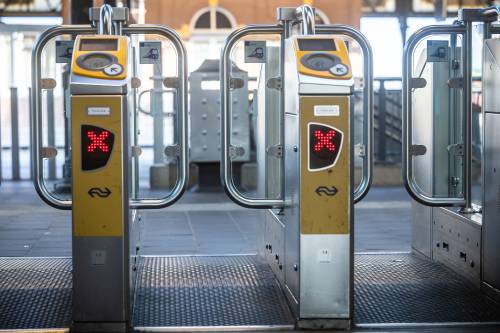
State Secretary for Infrastructure and Water Management Annet Bertram emphasized that Wednesday’s nationwide public transport strike does not target the transit sector itself. In an official statement, Bertram acknowledged that unions have the right to strike to strengthen their arguments, but expressed deep concern for stranded commuters, students, and families.
Social security cuts trigger nationwide protest
The primary reason behind the national strike is the cabinet’s proposed spending cuts to social security programs. Trade unions organized the protest to oppose cabinet plans that reduce government funding for social safety nets, healthcare provisions, and unemployment benefits. Union leaders argue that these budget reductions place an unfair financial burden on working-class citizens and vulnerable households, prompting transport workers to walk off the job to demand policy changes.
Major network shutdown impacts travellers
The day-long strike will grind rail and local transit travel to a near-total halt across the country. Workers at NS, ProRail, and regional transport operators will walk off the job. No trains will run, save for a limited airport shuttle operating between Amsterdam Central and Schiphol Airport. Bertram joined Minister for Social Affairs Hans Vijlbrief in urging trade union leaders to resume negotiations regarding these spending plans rather than disrupting public infrastructure.
Employers pivot to remote work measures
Major employers across the Netherlands are advising staff to work from home on Wednesday as the strike paralyzes train, metro, and bus networks. Insurance giant Nationale-Nederlanden and consumer products firm Unilever explicitly instructed employees to stay home. Corporate leaders including ING, Rabobank, and VodafoneZiggo report that hybrid working practices will allow operations to run smoothly without major service disruptions.
Flexible arrangements support essential staff
For roles requiring physical presence, companies are relying on practical alternatives. Supermarket chain Albert Heijn expects staff at stores and distribution centres to carpool, cycle, or swap shifts internally. Meanwhile, flower auction operator Royal FloraHolland is deploying private shuttle buses to move logistics workers to key operational sites. Financial firm ABN AMRO confirmed that individual teams are arranging tailored solutions for essential office personnel.
Minimal economic impact overall, but freight delays loom
Economists expect the strike to cause minimal overall damage to the Dutch economy because unions announced the action well in advance. RaboResearch economist Frank van Es noted that widespread home-working enables most businesses to adapt without major financial loss. However, ING transport economist Rico Luman warned that rescheduled meetings could temporarily reduce labor productivity. Luman also highlighted severe challenges for regional healthcare workers who rely on regional buses for long commutes. While office operations remain stable, economists warn that rail freight faces significant disruption, as hauliers struggle to move excess cargo onto already congested highways.
@ anp | NEWS BRAINPORT