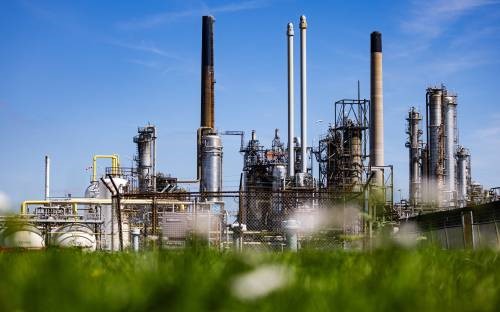
The Dutch economy is better positioned to absorb a new surge in energy prices than it was in 2022. Energy‑intensive industries have become a smaller part of the economic mix, and less energy-demanding industries have expanded.
Industries heavily reliant on energy were hit hard during the 2022 energy crisis following Russia’s invasion of Ukraine. ING notes that many of these sectors have still not recovered. The chemical industry’s added value last year remained a quarter below its 2022 level. The building materials sector and base metals also contributed significantly less than before the war.
Across all energy‑intensive industries, added value was nearly one percentage point lower in 2023 than in 2021. As a result, the share of the Dutch economy vulnerable to high energy prices has shrunk. “However unpleasant that loss was for the companies and employees involved, it currently establishes a new baseline ahead of the new wave of high energy prices. Our economy now has less added value to lose”, the bank writes.
Machine industry
At the same time, less energy‑intensive sectors have performed strongly. Their combined added value has risen by half a percentage point compared to pre‑war levels. This growth is largely driven by the machinery industry, particularly chip manufacturing.
ING therefore expects that any economic downturn triggered by a new energy price shock will be milder than in 2022. Energy prices have risen sharply since the outbreak of the war in the Middle East.
Iran has kept the Strait of Hormuz largely closed to shipping. This pathway is normally a transit route for one‑fifth of global oil flows. Oil prices climbed again on Thursday after US President Donald Trump said he would hit Iran “very hard” in the coming weeks.
@anp |NEWSBRAINPORT