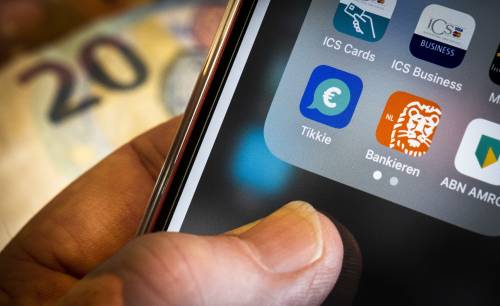
People who let a fake bank employee persuade them to transfer money to fraudsters should not expect compensation from their bank. The Financial Complaints Institute Kifid says banks do not have to reimburse losses in these situations.
The case concerns two victims of bank helpdesk fraud. A fraudster posed as a bank employee and convinced them to install Quickview. This gave the fraudster access to their SNS online banking. The victims then raised their daily limit and made three transfers.
SNS blocked the first transfer for investigation. But the victims later phoned the bank—following the fraudster’s instructions—and said they needed the payment to buy a camper. The bank then released the money.
The Kifid Appeals Committee ruled that the victims authorised the payments. It concluded that the bank met its duty of care because it had no clear signs of fraud.
Kifid tightened its rules in April, making it easier for consumers to receive compensation in helpdesk fraud cases. A spokesperson explains that the key issue is whether victims transfer the money themselves or whether fraudsters do so using stolen data. This distinction determines whether the case involves ‘authorised payments’ or ‘unauthorised payments’. In cases of unauthorised payments, banks must usually compensate the loss unless the consumer acted with gross negligence.
@ANP | News Brainport