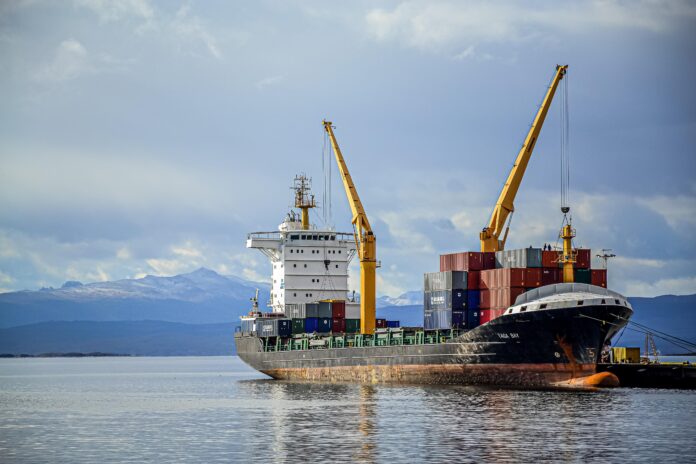
The global economy could face a major setback if the renewed blockade of the Strait of Hormuz isn’t lifted within weeks. At the Aspen Security Forum in Colorado, International Energy Agency (IEA) Director Fatih Birol underscored the need for the strait to be reopened “fully and unconditionally” as soon as possible.
Birol warned that a prolonged closure would create economic strain across the Middle East, developing countries, and Asian economies. “It is not a matter of months, but of weeks”, he said.
Following new American attacks, Iran announced last weekend that it had closed the strait once more. The United States has restricted Iranian shipping along the country’s coastline. After last month’s provisional peace agreement between the US and Iran, shipping activity through the vital passage had begun to recover.
Oil Prices
Before the conflict, one‑fifth of the world’s oil supply moved through the Strait of Hormuz. During the earlier months‑long blockade, oil prices surged. Prices fell sharply after June’s provisional peace deal but have now climbed back to their highest level in a month.
Birol noted that markets are “nervous” and facing “great uncertainty”. Escalating attacks threaten shipments of oil, fertiliser, natural gas, and other vital goods. Countries such as Bangladesh, Pakistan, and India are particularly exposed to disruptions in this critical trade route.
@anp | NEWSBRAINPORT