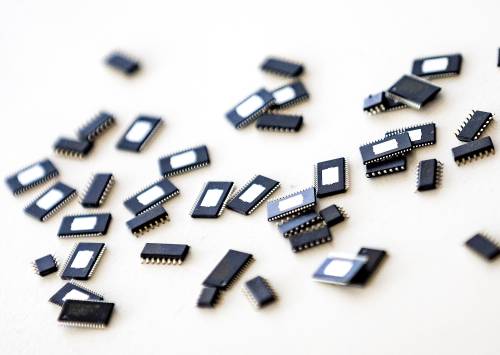
Delft-based startup Qualinx has become the first company to produce microchips using a completely European supply chain. The company manufactures these chips at the Dresden facility of US-based GlobalFoundries. According to both firms, this breakthrough proves that partners can design, manufacture, and deliver critical components for defence and vital infrastructure entirely within Europe.
Securing technological sovereignty
The Delft company is the first to utilise GlobalFoundries’ secure European production line in Dresden, Germany. Qualinx states that the US chip manufacturer recognises the immense importance of regional technological sovereignty. For this reason, GlobalFoundries consciously invested in its Dresden location to structurally guarantee European sovereignty, regardless of the parent company’s ultimate ownership structure.
Qualinx designs specialised chips for aerospace, defence, and critical infrastructure sectors. These advanced chips handle vital positioning, navigation, and timing functions.
Reducing reliance on global powers
A key component of this operational approach involves data security. Qualinx ensures that all data remains exclusively on European infrastructure and undergoes processing within Europe. The Delft firm states this strategy aligns perfectly with a broader European movement to reduce technological dependence on the United States and Asia.
While the manufacturing chain remains strictly local, Qualinx will still sell these chips to international markets outside Europe. The core principle ensures that all data, production processes, and physical handling remain under absolute European control. This strict guarantee appeals to security-conscious clients worldwide. Furthermore, GlobalFoundries intends to open this secure European production chain to other clients starting in 2027.
Brussels pushes for self-reliance
The announcement comes as Brussels aggressively pushes for digital and technological independence. Just last week, the European Commission proposed that EU companies should receive clear priority in public procurement for chips, AI, and cloud services. European Commission President Ursula von der Leyen emphasized that Europe cannot afford to depend on outside nations for the critical technologies that keep hospitals running, power grids stable, and public services secure.
@ anp | NEWS BRAINPORT